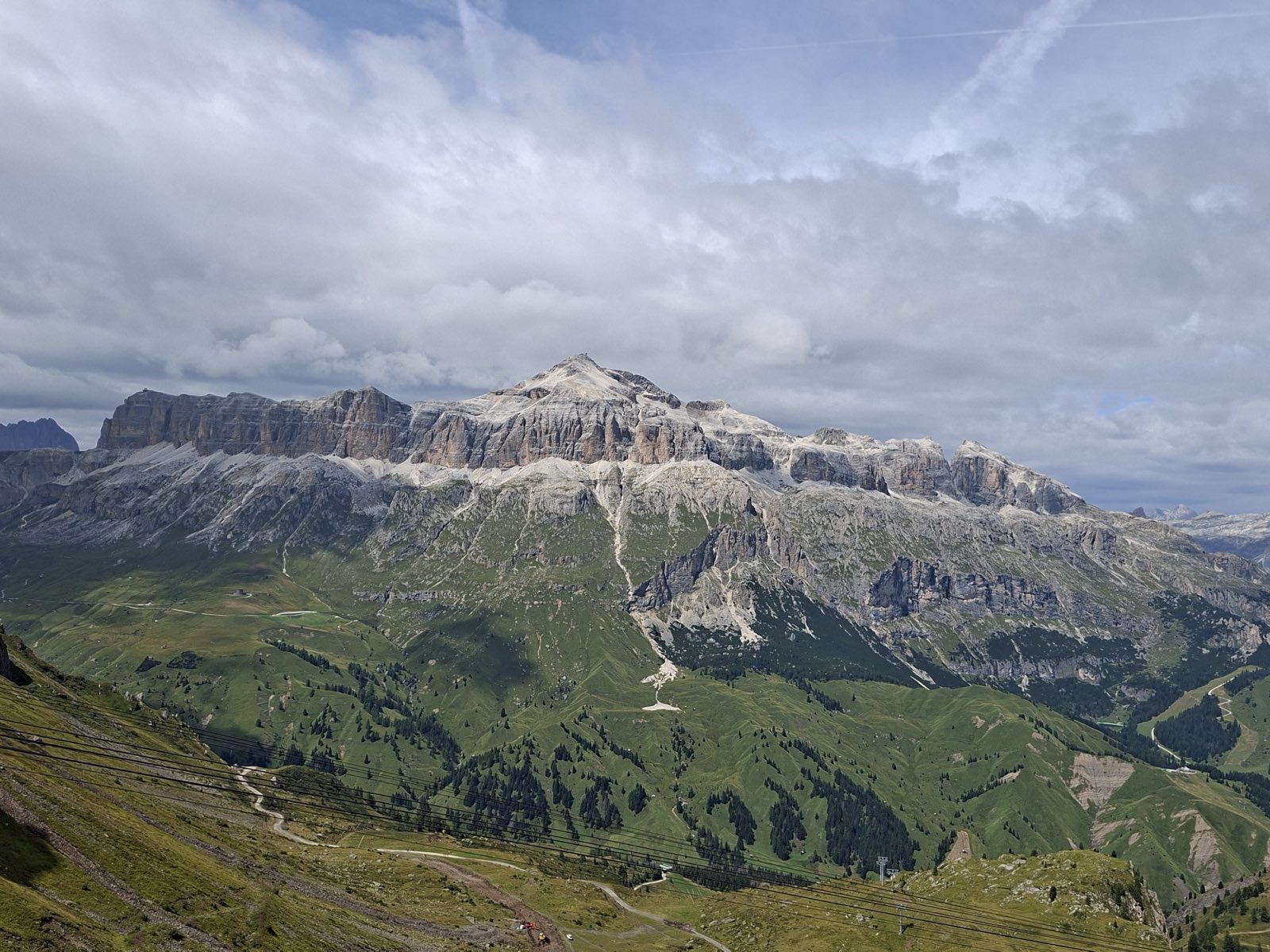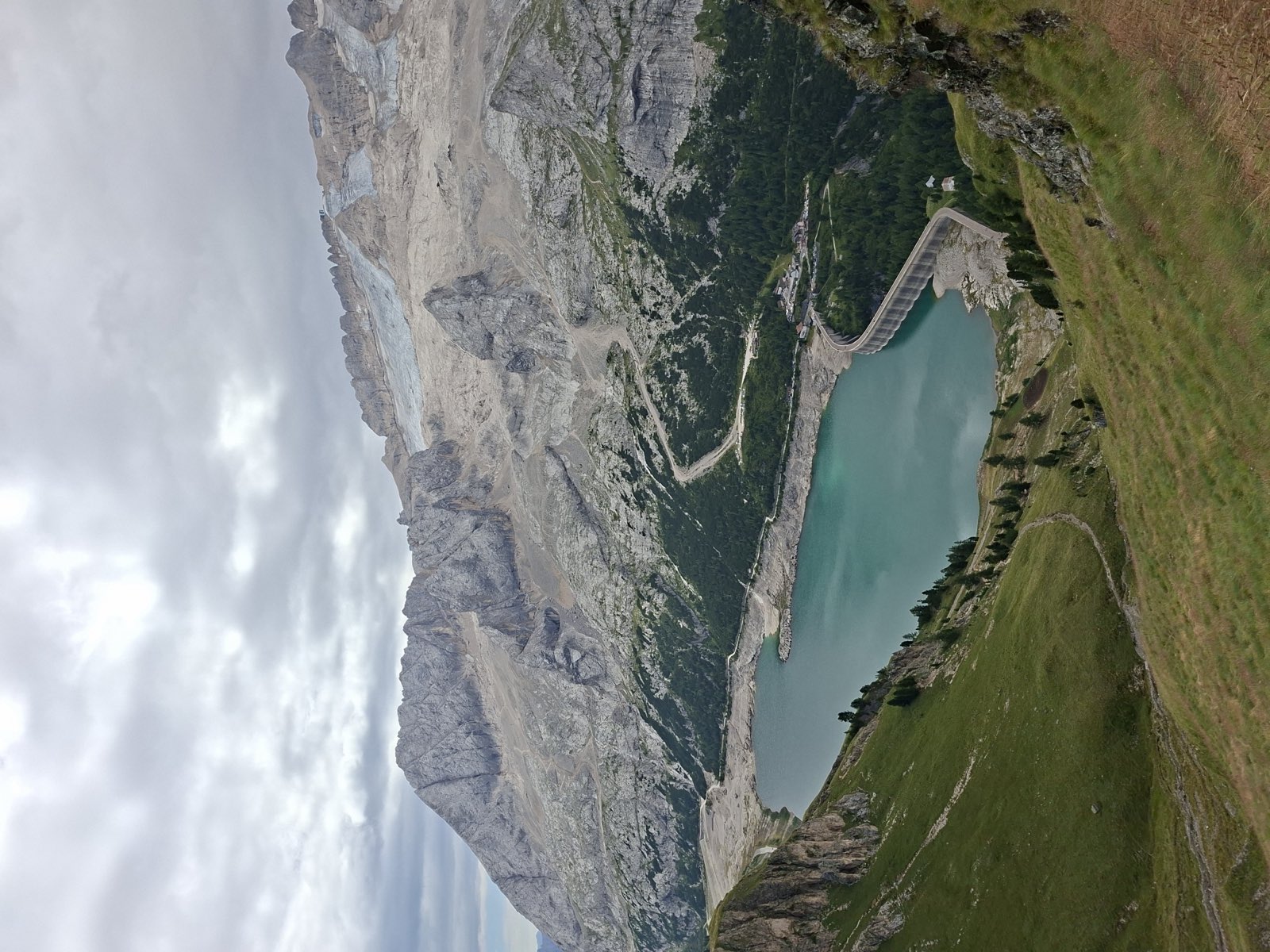
The Ferrata delle Trincee follows the volcanic crest of the Padon, right opposite the Marmolada glacier, through tunnels and military positions from the First World War.
It is a demanding and exceptionally panoramic via ferrata, for experienced mountaineers with a full ferrata kit only.
Via Ferrata delle Trincee: history and rock on the Padon Ridge alongside the other via ferratas, with grades and gear: Via Ferratas in the Dolomites: Which to Do, Difficulty and Gear.
How to get there — Porta Vescovo / Arabba (2.478 m)
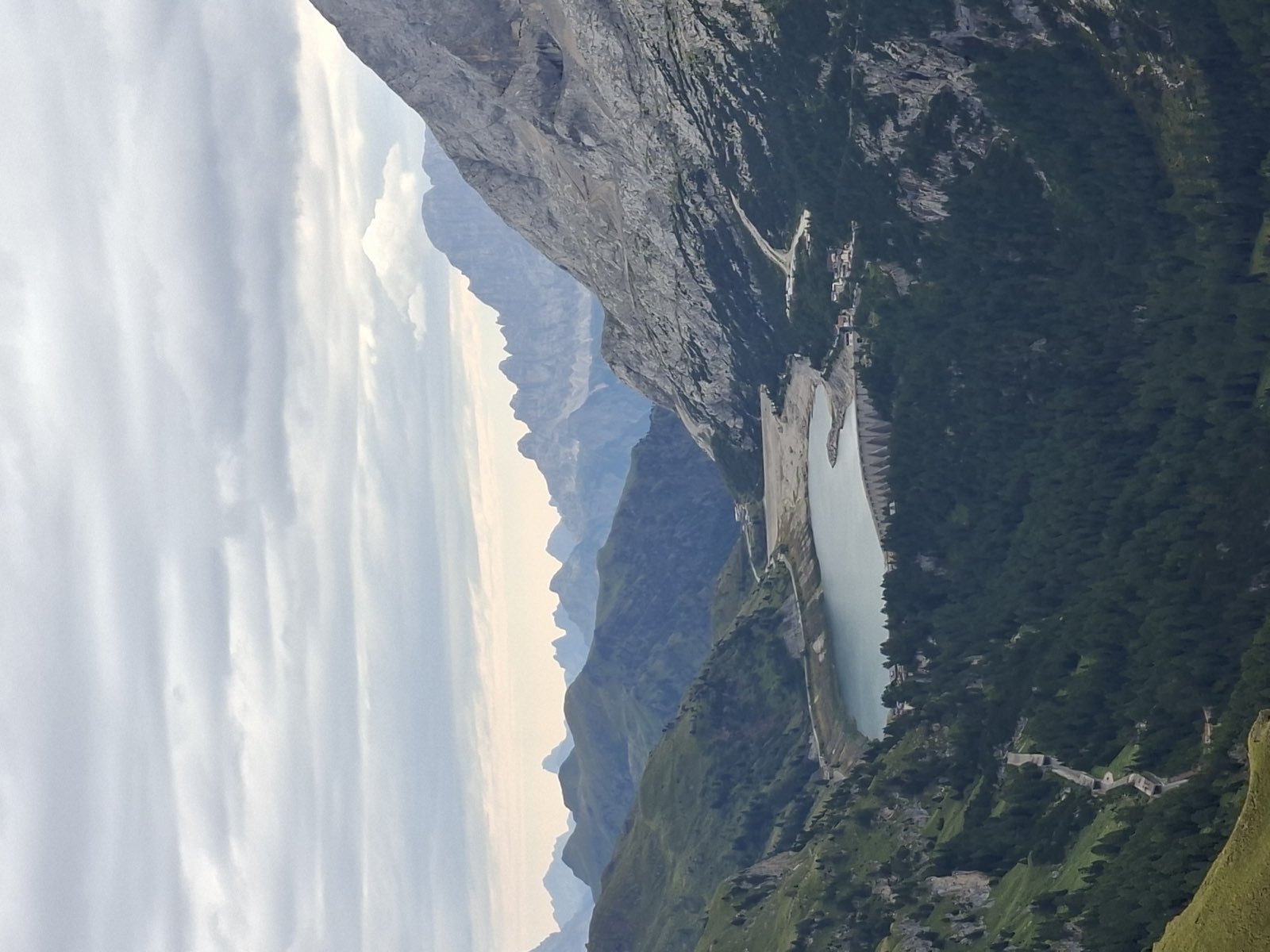
The handiest approach is from Arabba. From the village you go up with the Porta Vescovo cable car to 2,478 m, then reach the Padon ridge and the start of the via ferrata. Arabba sits on the road between Passo Pordoi and Passo Campolongo, in the heart of the Sellaronda, reachable by car from Val Badia, Val di Fassa or the Agordino. You can also access the route from the Passo Fedaia side, where a red-marked trail climbs some five hundred metres before the first cables. Using the lifts cuts the approach right down, but check the summer opening times, because all the logistics hang on them.
The trailhead is in the Arabba e Marmolada area. Check the travel guide for lift schedules, parking and access rules.
Stage by stage
1. Approach from Porta Vescovo
Reach the start of the route along the Padon ridge.
2. The ferrata and the war tunnels
Work along the equipped crest, including the famous passage through a Great War tunnel.
When to go & weather
The useful window is narrow, July to September, once the ridge is clear of leftover snow and ice and the lifts are running. High summer is the safest time. At the start and end of the season snowfields can linger in the gullies and on the shaded sections, treacherous on rock that is already demanding. Set off early and watch the sky, because the Mesola ridge is very exposed to lightning and afternoon thunderstorms here are frequent and dangerous when you are clipped to the cable. On settled days the view over the Marmolada glacier, right in front of you, pays back every effort.
Recommended gear
- A complete via ferrata kit with a certified energy absorber. No improvising
- Harness and helmet, compulsory along the whole ridge
- Via ferrata gloves and sturdy boots. The black volcanic rock of the Padon is abrasive and awkward
- A charged head torch for the long war tunnel, about three hundred metres in the dark
- Layered clothing with a windproof shell for the exposed ridge
- Water, food and a charged phone for any eventuality
Useful tips
- This is a route for experienced hikers. Without a ferrata kit and confidence on airy passages, do not attempt it
- Keep your torch handy. The main tunnel is long, with branches and embrasures opening onto the Marmolada
- Take the first Porta Vescovo cable car and return before the first rumble of thunder
- The first section, almost vertical on the Mesola wall, is the hardest. Size it up before committing
- If you have doubts about exposure, conditions or weather, rely on an alpine guide from the Arabba area
Frequently asked questions
Do you need a torch for the Ferrata delle Trincee?
Yes, bring one. The route goes through tunnels dug during the First World War, and a head torch makes a real difference in there.
How hard is the Ferrata delle Trincee?
It is a tough via ferrata, for experienced hikers with proper kit, along a long, exposed ridge. The hardest bit is the opening wall, steep and with few holds on the dark volcanic rock. You need experience, fitness and full equipment. It is not for beginners.
How long does the Ferrata delle Trincee on the Padon take?
Between the approach, the equipped route, crossing the tunnels and the return, allow at least four and a half hours. Give yourself a good margin so you are out before the afternoon storms.
Why is it called Ferrata delle Trincee?
Because it runs along positions, walkways and a long tunnel dug during the First World War on the ridge of the Mesola and Mesolina, in the Padon group, right opposite the Marmolada. That war front gives it its name and a strong historical value.